
第10回大阪大学豊中地区研究交流会 -知の共創-
2025.12.9

OSIPPからは宮野紗由美准教授、川窪悦章講師が発表
2025年12月5日、豊中キャンパス基礎工学国際棟にて、第10回大阪大学豊中地区研究交流会が開催された。この会は、人文社会科学系から基礎科学を重んじる理系まで、幅広い部局を有している豊中キャンパスにおいて、各分野で活躍する研究者が集い、互いの研究を知り合う場として2016年から開催されている。
約4時間半にわたり開催された今回の交流会は、熊ノ郷淳総長による挨拶から始まり、続いてポスター発表形式での研究発表や情報交換会が行われた。OSIPPからは宮野紗由美准教授と川窪悦章講師が参加し、ポスター発表をおこなった。
(OSIPPライブラリー)
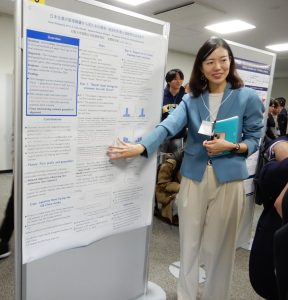
宮野紗由美 准教授の発表
「How Japanese Business Managers See the U.S.–China Rivalry: Balancing Economic and Geopolitical Stakes
⽇本企業の管理職層から⾒た⽶中競争: 経済的利害と地政学のはざまで」
Abstract: As U.S.-China tensions rise, businesses in middle-power countries like Japan face difficult trade and investment decisions. This study examines how Japanese firm managers weigh geopolitical risks, through a December 2024 survey experiment conducted during Donald Trumpʼs second presidential term. Results show firms are highly sensitive to the risk of U.S. retaliation when engaging with China, while Chinaʼs security threat itself is less influential. Although most oppose trade restrictions, many accept U.S.-led measures targeting China, even at their own expense, while rejecting Chinese-led restrictions. These findings highlight how private-sector actors internalize geopolitical alignments, offering insight into business decision-making amid great-power competition.
川窪悦章 講師の発表
「Geopolitical Risks and Global Supply Chains: Evidence from Shipping Data」
Abstract: More than 90% of Japanʼs trade activities relies on maritime supply chains facilitated by vessels. In recent years, maritime logistics has been increasingly vulnerable to geopolitical risks, large-scale natural disasters, and the enforcement of new environmental regulations. This study plans to analyze how these developments affect shipments and global supply chains by using the AIS data. Eventually, the project aims to provide evidence to support the realization of stable and resilient maritime transportation.